

How to Get a Job Abroad: Ultimate Guide
For millions of professionals, working overseas is now a feasible career option in today’s globalized society. Professed workers now have further options than ever before to find employment in nations like Canada, Australia, the United Arab Emirates, Japan, and the United Kingdom.
Still, the process of applying for jobs abroad differs from that of applying for jobs in your country of hearthstone. It entails learning about immigration laws, fulfilling skill conditions, creating resumes that are accepted abroad, and sometimes going through drawn-out visa procedures.
Whether you are a recent graduate looking to explore new openings or an educated professional hoping to advance your career internationally, we’ll walk you through every step of the process in this thorough, step-by-step companion on how to apply for jobs overseas.
Step 1: Determine Your Target Countries and Career pretensions
You need a clear plan before you start applying for jobs. Consider this
- What makes you want to work overseas?
- Are you looking for new artistic quests, a better work-life balance, or an advanced payment?
- Which nation suits your life and skill set?
Do your exploration on your target countries.
Examine rudiments like
- Demand for jobs: Some nations laboriously seek out foreign workers in professed trades, IT, healthcare, and engineering.
- Language conditions: For example, the UAE substantially uses English for commercial places, whereas Germany constantly requires German language proficiency.
- Cost of living: In metropolises like Sydney or London, high hires may be overbalanced by high living charges.
- Lifestyle and work culture: suppose you like a more laid-back work-life balance or fast-paced settings.

Step 2: Get Work Permit and Visa Conditions
Each nation has its own work visa orders and immigration laws. Meet the legal conditions for employment before applying for job laws.
Work Visa Types
- Employer-patronized visas, which are popular in the United Arab Emirates, Australia, and Canada, are applied for on your behalf by your employer.
- Professed Worker Visas: Point-grounded systems that estimate your language proficiency, education, and experience (e.g., Canada Express Entry, UK Skilled Worker Visa).
- Youthful professionals can gain short-term work visas in Australia, New Zealand, and certain EU nations through the Working Holiday Visas program.
- Intra-Company Transfers: For workers moving within the same global pot.

Important documents are constantly demanded
- A valid passport that’s at least six to twelve months from expiring.
- An offer letter or employment contract.
- Attestation of education and work history.
- Language proficiency instruments (TOEFL, IELTS, etc.).
- Certificate of police concurrence.
- Report of medical examination.
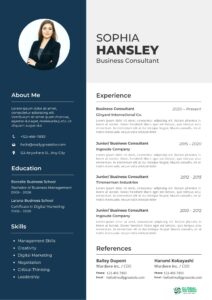
Step 3: Write a Cover Letter and Resume That Are Accepted Worldwide
General Advice for a Global Resume
- Unless you are applying for an exploration or academic position, keep it 1–2 runners.
- Prioritize achievements over job liabilities. Make use of quantifiable issues, similar to increased deals by 20 in six months.
- Unless the country requires it, don’t include particular details such as religion, connubial status, or a print.
- For readability, use bullet points and clear headlines.
Rudiments of a Cover Letter
- Speak directly to the hiring director or beginner.
- Describe your provocation for wanting to work in that particular nation.
- Emphasize your inflexibility, artistic perceptivity, and transmittable capacities.
- It should be no further than one runner.
Tip: Find out which CV format is most popular in the nation. For instance, North America favors achievement-concentrated resumes devoid of particular information, whereas European nations constantly use the Europass CV.
Step 4: Search for international job openings.
Once your documents are ready, start looking for openings. Then there’s the most effective system to search for your asked job on Global Job Arena.
Tip: Always corroborate job bulletins to avoid fraudulent offers. However, it’s a red flag if an employer requests payment for a job offer.
Step 5: Use a Strategic Approach and Customize Every operation
It’s useless to shoot dozens of companies the same general capsule. Make sure your operation is acclimatized to the job description.
How to epitomize Your App
- Incorporate job announcement keywords into your cover letter and documents.
- Talk about how ready you are to move and acclimate to a new culture.
- Give credentials or exemplifications of your work to prove your language chops if the position calls for them.
Step 6: Get Ready for Foreign Employment Interviews
You’ll presumably have an online interview through Zoom, Microsoft brigades, or Google Meet if your operation is named for further consideration.

Advice for Interview Preparation
- Do some exploration on the business. Learn about their recent successes, values, and products.
- Get artistic form. In Japan, formal felicitations are important, but in Germany, promptitude is essential.
Rehearse standard interview questions.
- What makes you want to work in (country)?
- How are you going to deal with artistic differences?
- How can you profit our platoon?
Specialized setup: Make sure there’s little background noise, acceptable lighting, and a strong internet connection.
Tip: Learning a number of introductory expressions in the company‘s language can make a good impression if English isn’t their first language.
Step 7: Confirm and Accept the Offer of Employment
After you are offered a job
- Pay, benefits, working hours, relocation backing, and probationary period should all be precisely reviewed in the contract.
- corroborate visa backing to corroborate that the employer has the right to employ foreign workers.
- Negotiate if needed—talk about housing allowances, airfare payment, or relocation packages.
Tip: Stay until your work visa is formally approved before quitting your current position.
Step 8: Submit a Work Visa Application
As soon as you have an inked contract, begin the visa operation process. The duration of processing can range from many weeks to several months.
The typical way involved in applying for a work visa are
- Filling out paper or online forms Paying visa freights Making an appointment for biometrics.
- Furnishing necessary attestation Awaiting blessing.
- Plan your trip neatly because some countries require you to enter within a specific time frame after the visa is issued.
Step 9: Make a Relocation Plan
Reserving a flight is only one aspect of moving to a new nation. Get ready for a flawless transition roster.
- Establish a bank account in your destination nation; look into transportation options and the cost of living; find temporary or permanent housing.
- Arrange health insurance, which is needed in numerous countries; discover the laws, traditions, and public services in the area.
Tip: To meet people who can help you when you get there, join expat groups on Meetup or Facebook.
Step 10: Get Used to Your New Workplace
Although the first many months overseas can be delicate, they also present a chance for development.

The following advice will help you acclimate successfully
- Engage in networking events and platoon conditioning.
- Be open to learning and conforming to new work societies.
- Learn some introductory conversational expressions in the original language.
- For emotional support, stay in touch with loved ones.
Typical crimes to Avoid When Applying for Jobs Abroad
1. Applying without being eligible for a visa: Always make sure you meet the conditions first.
2. Employers prefer customized operations, so avoid using the same capsule for every job.
3. Watch out for swindles. Never pay for a reclamation service or job offer before attesting to its legality.
4. Ignoring artistic differences—knowing proper form can make or break your chances.
5. Financially unrehearsed—shifting can be expensive; account for unlooked-for charges.
Conclusions:
You can greatly increase your chances of getting your ideal job abroad by determining your target countries, comprehending visa conditions, creating polished documents, and applying strategically.
Working abroad can help you broaden your mind, develop a global network, and acquire worthwhile experiences that can ameliorate both your personal and professional lives. It’s not just about making further plutocrats.
Still, begin your adventure right now by looking into foreign employment openings on Global Job Arena, your go-to resource for global job openings, if you are set to take the threat.